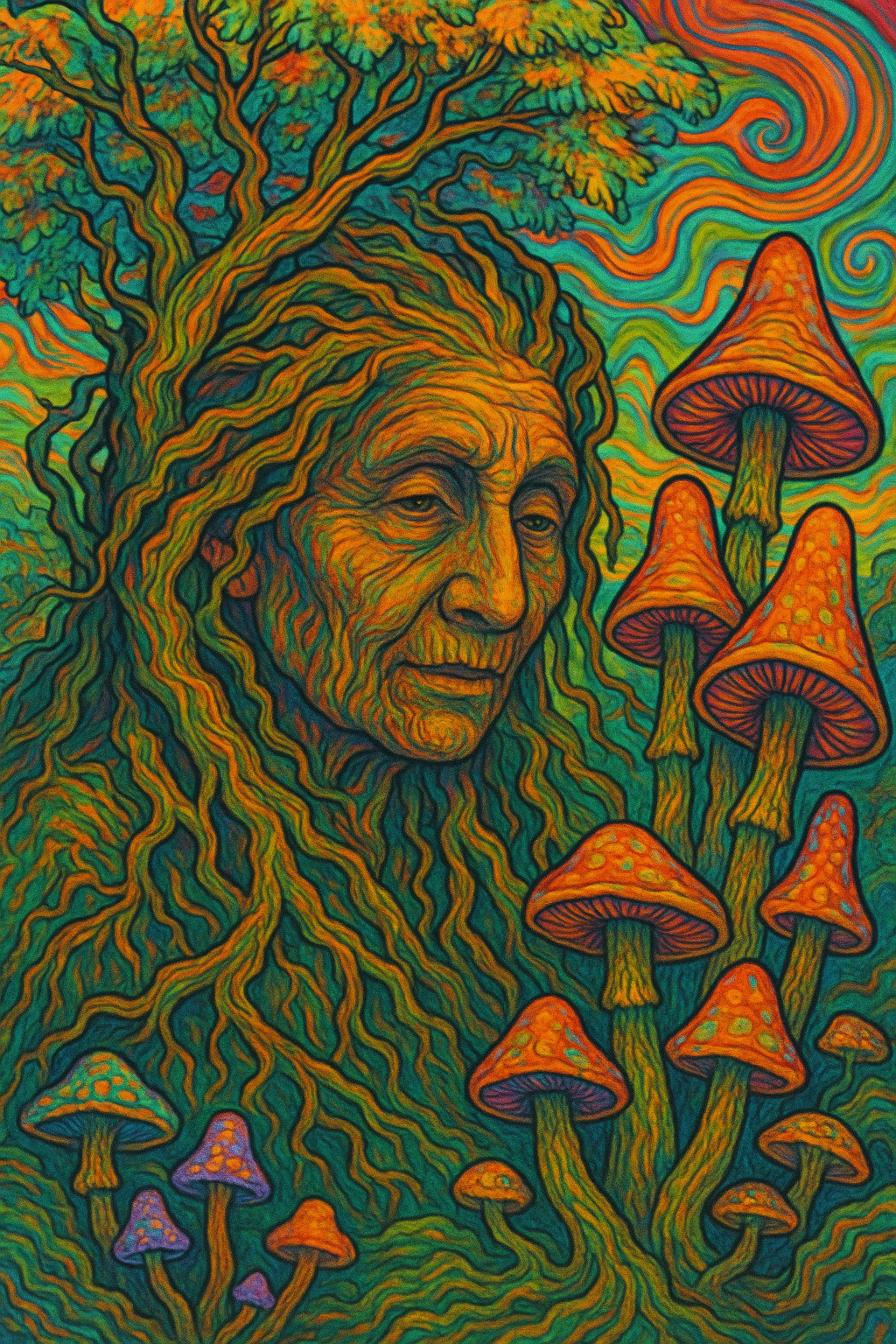
Psychedelics are often framed as countercultural or recreational, but research shows a much deeper reality: people return to them because they experience real psychological, emotional, and spiritual benefits.
The Main Reason: Psychological Well-Being
The #1 reason people reported using psychedelics regularly was the psychological well-being they experienced during use (65%).
And most didn’t just stop at one reason; nearly 4 out of 5 participants (79%) said they had multiple motivations for use, mixing recreation, healing, and spiritual growth.
Purposes for Use
When asked why they take psychedelics, participants gave a range of answers:
- Recreational: 68%
- Spiritual: 62%
- Medicinal: 32%
- Psychedelic-assisted psychotherapy (PAP): 7%
Over half said they use psychedelics for more than one purpose, showing the overlap between fun, healing, and self-discovery.
Psychological & Emotional Mechanisms
So what explains the benefits? Modern neuroscience and psychology point to several pathways:
- Neuroplasticity: Psychedelics temporarily increase brain connectivity, allowing people to “rewire” rigid thought patterns and habits.
- Ego-dissolution: Many users report a loosening of self-boundaries, reducing rumination and self-criticism.
- Emotional release: Psychedelics can heighten emotional awareness, leading to breakthroughs in grief, trauma, or self-acceptance.
- Spiritual connection: Altered states often create a sense of unity and meaning, which improves long-term well-being.
This combination explains why many report improved mood, self-observation, and personal growth even after the experience ends.
Patterns of Use
The majority used psychedelics occasionally, with once a year being most common (65%). Others used them more frequently:
- Monthly: 21%
- Weekly: 11%
- Daily: 3.5%
Contexts of Use
Where people take psychedelics also varies:
- At home: 65%
- Outdoors: 64%
- Parties: 30%
- Ceremonies/retreats: 20%
- Professional sessions: 2%
- Even in schools (3.5%) or workplaces (2%).
Who They’re With
Connection plays a significant role:
- With friends: 72%
- Alone: 49%
- With a partner: 42%
- With a facilitator/professional: 17%
- With family: 16%
This shows a balance between community, intimacy, and solitude in psychedelic use.
Differences Across Demographics
While the benefits are widespread, the way psychedelics are used can vary:
- Age: Younger adults often report recreational or social use, while older adults more often frame psychedelics as tools for healing, reflection, or spiritual growth.
- Cultural background: Indigenous traditions emphasize ceremonial and community use, while Western contexts often highlight recreation or therapeutic potential.
- Gender differences: Some studies suggest women report stronger emotional processing, while men often frame benefits around creativity or problem-solving.
These differences remind us that psychedelics are not one-size-fits-all — they are interpreted through cultural, social, and personal lenses.
Sources & Cost
- Dealers (63%) and friends (58%) were the most common sources.
- Some grew their own (22%) or went through professionals (17%).
- On average, participants spent $135 per year on psychedelics.
Reported Changes in Life
Positive changes were far more common than negatives.
Positive:
- Increased self-observation: 68%
- Improved mood: 62%
- Personal growth: 56%
Negative:
- Questioning work/relationships with discomfort: 12%
- Memory issues: 10%
- Concentration problems: 9%
Long-Term Impacts on Mental Health
Long-term studies are still emerging, but early findings suggest:
- Lasting reductions in depression and anxiety after guided psychedelic sessions.
- Increased openness and flexibility in personality, sometimes persisting for months or years.
- Potential risks include difficulty integrating intense experiences, or cognitive strain if overused.
The takeaway? Psychedelics can spark profound positive change — but benefits are maximized when paired with integration practices, supportive environments, and mindful use.
Takeaway
People don’t keep coming back to psychedelics just for fun. They return because psychedelics offer:
- Deeper self-awareness
- Improved mood and emotional release
- Moments of personal growth
Even though there can be challenges — like uncomfortable self-questioning or temporary cognitive strain — the positive outcomes consistently outweigh the negatives.
Psychedelics aren’t simply recreational; for many, they’re tools for healing, connection, and transformation.
Ready to explore trusted blends and microdosing support? Visit White Rabbit to shop capsules, stacks, and guides for your journey.